
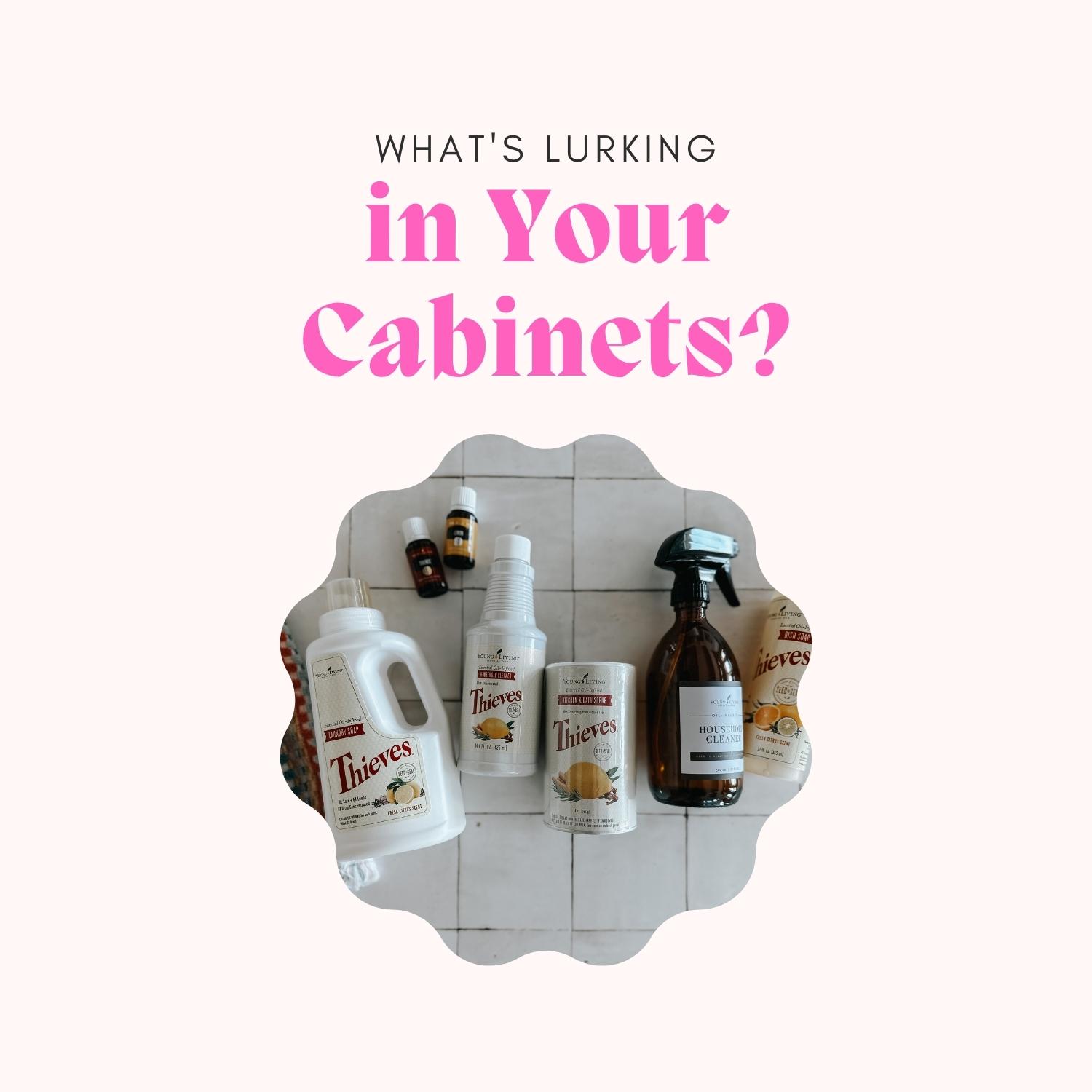
Have you heard the term ‘greenwashing’? It is when companies throw catch phrases or use certain packaging to trick consumers into thinking they are purchasing a natural product, when in reality, what they are buying isn’t natural at all. Unfortunately those ‘natural’ cleaning brands on the store shelves do this.
A little sobering reminder that just because we assume it’s safe, tested, and on our shelves for purchase, doesn’t make it so. In fact…
Many common cleaning products under your sink are considered hazardous substances and are regulated by the Federal Hazardous Substance Act.
Ammonia and chlorine bleach can cause headaches, burn the skin, and irritate the eyes and respiratory tract. Accidentally mixing ammonia and chlorine bleach releases toxic chlorine gas that damages lung tissue and impairs lung function. Cleaning with bleach and Windex? A potentially deadly experiment.
Also, regularly cleaning with bleach—which generally contains chlorine, classified as a hazardous air pollutant in the 1990 Clean Air Act—is particularly harmful to kids because it can trigger and worsen asthma.
The TSCA of 1976 (The Toxic Substances Control Act) grandfathered in approx. 65-100k chemicals currently on the market today (i.e. they haven’t had any safety testing & we know little about them).
Of the chemicals tested, toxic labeling is required only if 50% or more of the animals tested with the chemical die.
Under the TSCA, manufacturers are protected by trade secret laws that allow them to keep their ingredient list a secret. Sometimes that’s just to keep their competitors from knowing their formulas and isn’t hiding anything, but you’ll never know unless you can trust the way a company operates.
To date as of this writing, the EU (European Union) has banned 1,300 chemicals in cosmetics; the FDA in America has banned only eleven.
I’m really not comfortable with using something that caused almost half of the animals tested to die. And is still unknown on people
While we’re at it, talk about the real “F word” – fragrance. Fragrance is a very loosely defined term when it comes to use in personal care and household products. Fragrance and synthetic perfumes are in EVERYTHING and problematic because companies aren’t required to disclose the exact ingredients in the fragrances. Even ‘natural fragrance’ is problematic. Just because something is natural, doesn’t mean we want to rub it on our skin (ie: formaldehyde – a naturally occurring compound that we don’t want on our skin!). As the world leader in essential oils, Young Living utilizes refreshing scents of the pure essential oils instead of fragrance.
I’m also pretty uncomfortable with all the lack of disclosure in ingredients, especially fragrances. So I am incredibly grateful that I know that every single fragrance in my Young Living home care products is a pure essential oil.